
8 tips for choosing a great dog walker, sitter or daycare
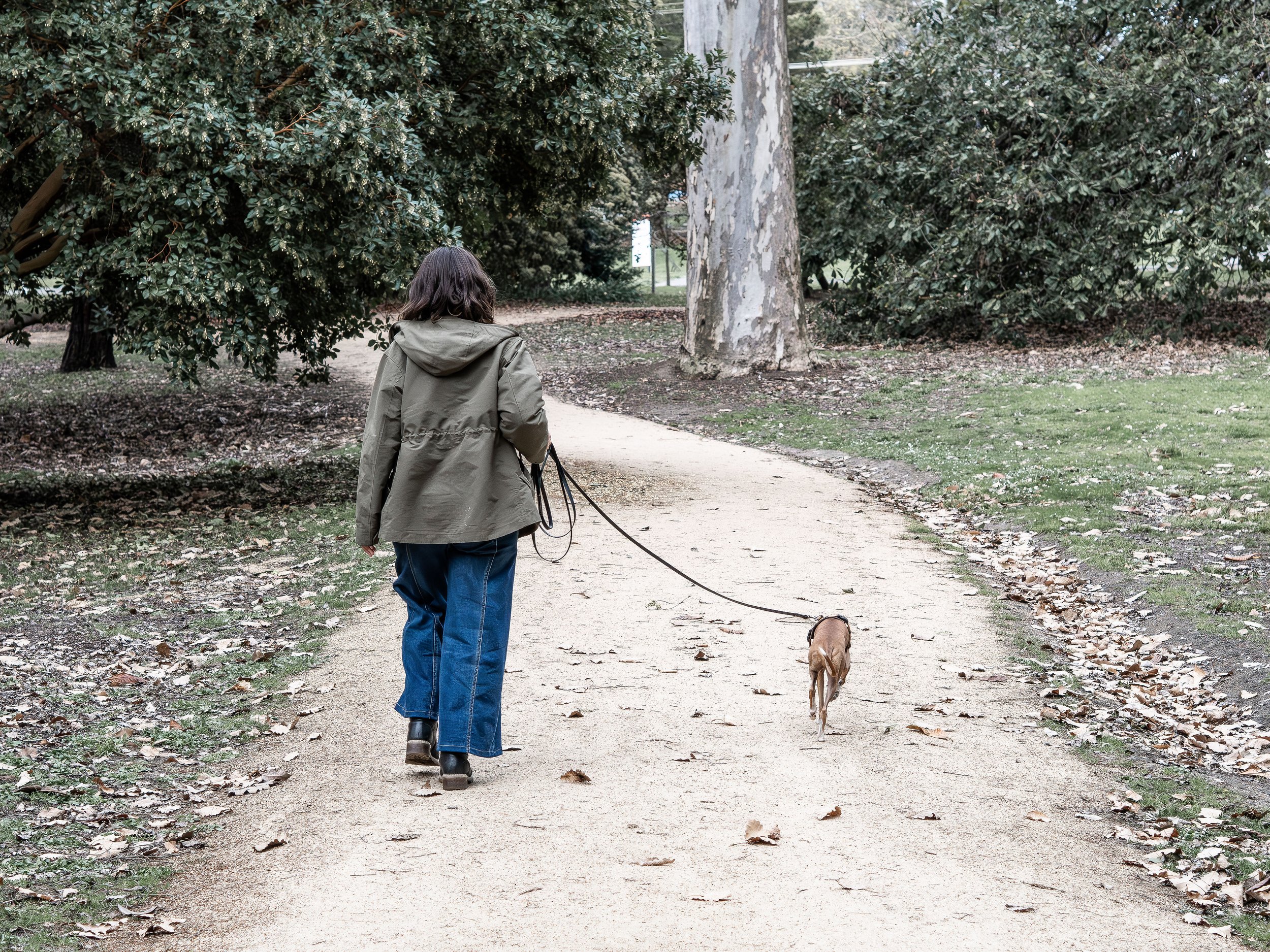
Dogs aren't particularly good at being alone. While most cope remarkably well with our modern lives, spending long hours home by themselves isn't something they naturally evolved to do. It's no surprise, then, that more and more people are turning to dog walkers, pet sitters and daycares to help fill the gap. And the industry has grown accordingly. There are more options than ever before, which is genuinely good news. The hard part is knowing how to choose.
I've seen firsthand how valuable the right pet care professional can be. When guardians, trainers and walkers or sitters work together, dogs are happier, routines become more consistent and everyone is pulling in the same direction. I've also seen the opposite. Over the years I've worked with more than a few dogs whose behaviour challenges were made worse, not through malice, but because the care they were receiving simply wasn't the right fit.
So what should you look for when you're handing over the lead, or your house keys, to someone caring for one of your favourite family members?
1. Healthy exercise is one thing; exhaustion is quite another

Be wary of anyone who promises your dog will "come home exhausted" or "play all day long." Somewhere along the line we've decided that dogs should have social calendars busier than our own, and that a tired dog is automatically a happy one.
Excessive exercise and constant stimulation (hours of fetch, chasing, rough play or free running) can leave dogs feeling wired rather than relaxed.Lameness, stiffness, difficulty settling, pacing, excessive panting long after the activity has finished, drinking unusually large amounts of water, seeming unusually flat or, conversely, bouncing off the walls, can all be signs your dog has overdone it. The idea that dogs need to be worn out in order to behave well is one of the biggest myths of dog behaviour. Repeated periods of intense arousal don't create calm dogs. They often create fitter dogs that become increasingly comfortable operating at full throttle.
Good carers understand that rest is part of the day too. That might mean building in quiet time between activities, giving dogs the opportunity to nap, or recognising when a dog has simply had enough for one day. They don't feel the need to fill every minute with activity or send dogs home utterly exhausted. Sometimes the best outing is a slow wander with plenty of time to sniff. And when it comes to more energetic exercise, they know there's more to it than repeatedly launching a tennis ball or encouraging dogs to run flat out for an hour.
2. Can they follow your lead?
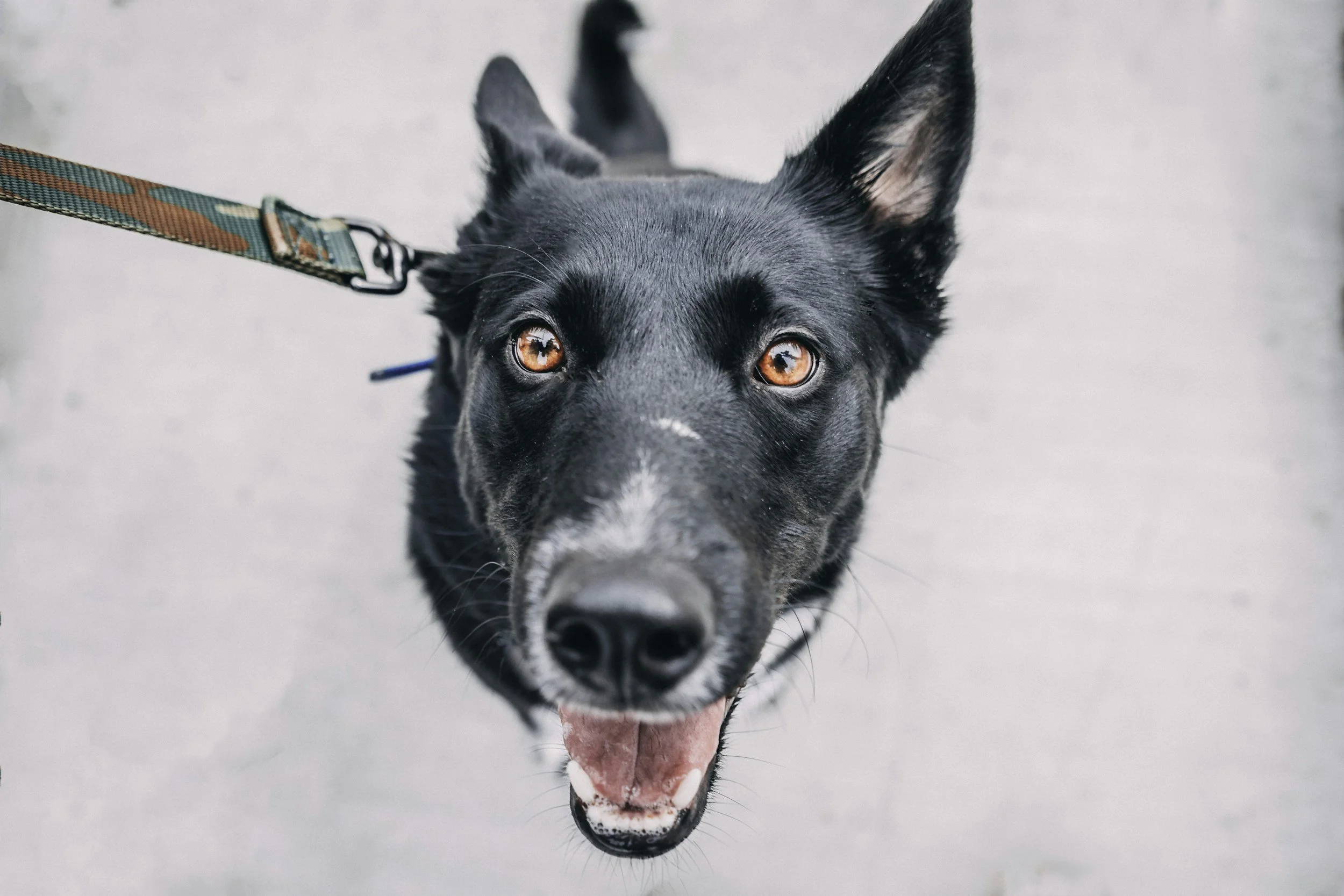
Every dog comes with their own instruction manual. Maybe your dog tends to bolt after kangaroos, and can’t be safely off lead. Maybe your dog can’t cope home alone for long periods, and needs specific things in place to set them up for success. Perhaps they're seniors and struggle on certain floors, have allergies, or prefer to avoid other dogs altogether. A good walker or sitter wants to know these things.
The best carers don't just add dogs to their client list. They listen, get to know them, and respect your wishes. They remember that your dog is worried about skateboards, that they're recovering from surgery, or that they’d rather avoid the park than wrestle with Labradors three times their size. Find someone who asks questions, follows your instructions, and doesn't assume every dog should have the same kind of day.
3. Be extra careful with puppies
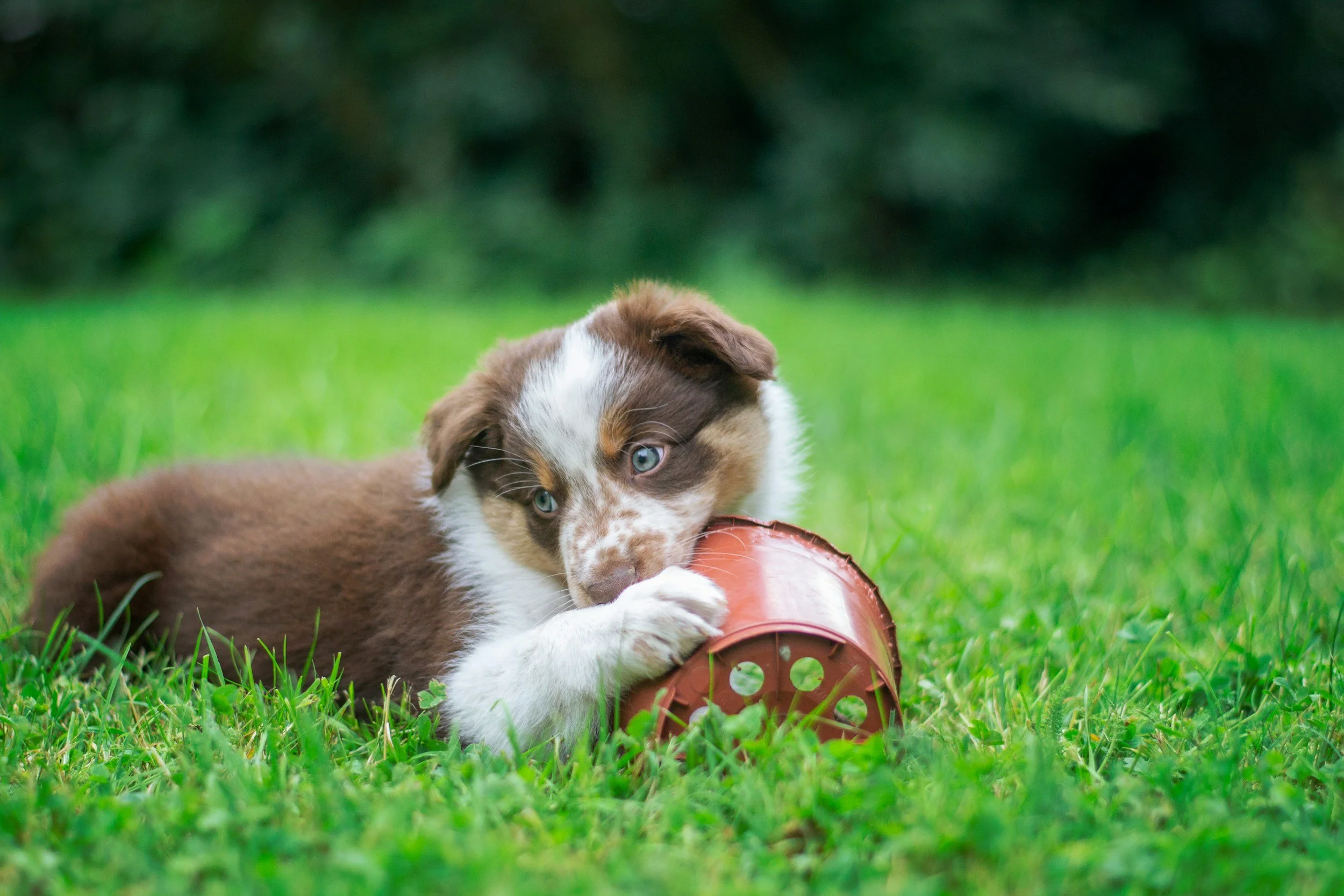
Too often I hear descriptions of puppy daycare or group walks that make me wince. Puppies as young as four months going on hour-long hikes. Playing all day with much bigger dogs. Hours of fetch and chase and excitement with barely a break in sight.
Puppies need sleep - around 18 to 20 hours every day. Their skeleton is under construction, their growth plates haven't closed, and their bodies and brains aren't built for hours of repetitive, high-impact exercise. If a human toddler skipped their nap every day and spent the afternoon at a wild birthday party, you’d expect mayhem and dysfunction. Puppies aren't that different.
For young puppies, I'm often much more in favour of puppy visits than full days away from home. A sitter can spend some quality time with them, take them for a short stroll or socialisation experience, play a gentle game or two and then let them sleep. As they mature, those visits can gradually morph into longer walks and bigger adventures.
4. Safety and credentials matter, and so does cost
What happens if there's an emergency? What happens if one dog is injured? Do they have insurance? How are dogs transported between locations? Where is your dog while someone else's dog is being collected? How many dogs does one person manage at a time, and who steps in if your regular walker or sitter is sick?
Canine first aid training is always a good sign. So is someone who requests your vet's details before they need them.
I'm also cautious about very large groups, particularly when managed by a single person. Watching eight dogs run around a park might look entertaining on social media, and plenty of pet care businesses are built on exactly that aesthetic. But monitoring every dog's body language, energy levels and social interactions in a group that size requires an enormous amount of skill and attention. Most dogs are much happier with a couple of familiar companions than twenty acquaintances. Dogs are social, but that doesn't mean every day should resemble a doggie rave.
On the subject of cost: it's worth paying attention to what rates signal. Genuinely skilled, experienced carers, those with insurance, proper training and the time to truly pay attention to each dog, have real overheads. Rates that seem too good to be true sometimes reflect exactly that. This isn't a reason to dismiss affordable options outright, but it’s worth considering the why.
5. Confidence ≠ expertise

There are excellent dog trainers who also work as walkers or sitters, and if you trust their methods, that's a wonderful combination. Many walkers also develop genuinely strong practical skills through years of hands-on experience. But experience and expertise aren't always the same thing.
The world of dog training and behaviour is constantly evolving. Good professionals invest in ongoing education. They understand learning theory, stress, welfare and body language, and they know how to recognise when something has shifted. Growing up with dogs, owning dogs or walking them for years provides valuable experience. It doesn't automatically make someone a behaviour professional, and it's worth being clear in your own mind about what you're looking for.
By the same token, don't expect your walker or sitter to magically resolve behaviour problems. If they raise concerns, listen. They're often seeing your dog in situations you don't witness yourself, and that perspective can be genuinely valuable. Some of my most successful cases have involved guardians, walkers and trainers working together as a proper team.
6. Don't be fooled by a highlight reel
These days it's easy to judge a pet care business by its social media. Happy dogs, happy music, slow-motion splashing through creeks. Those videos can be charming, but a carefully chosen 20-second clip doesn't tell you whether the dogs had opportunities to rest, whether everyone was comfortable in the group, or whether one overwhelmed dog spent the whole outing trying to avoid everyone else.
Instead of asking where they walk, try asking:
What does a quiet day look like?
What happens if a dog doesn't want to play?
Do dogs get time to rest during the day?
How do you decide which dogs spend time together?
Can dogs opt out of interactions?
The answers will tell you far more than the photos.
7. Trust your gut, and your dog
Your dog can't leave a Google review. They can't send a message saying they were uncomfortable, or that things felt off, or that they'd rather not go back. But they can tell you in other ways, and it's worth paying close attention.
I've worked with guardians who sensed something wasn't quite right but felt awkward raising it. Their dog came home unusually flat, or unusually frantic. Started hiding when the walker arrived, or seemed reluctant to go inside the daycare. They became clingier than usual after care days, more reactive on walks, or suddenly struggled to settle when they got home.
One off-day doesn't necessarily mean something is wrong. But patterns matter. If something doesn't feel right, have the conversation. A good professional will want to understand what's going on. And if it still doesn't sit well after that, it's perfectly okay to look for someone else. The most important thing isn't avoiding an awkward exchange. It's advocating for your dog.
8. Build a relationship, not just a booking
Once you've found someone you trust, don't think of them as simply the person who walks your dog on Tuesdays or allows you the odd long weekend away. The best outcomes come from ongoing communication. Take them out for a practice walk. Do a trial day or night before a longer sit. Mention the little quirks that make your dog who they are. Keep them updated if your dog has had surgery, hasn't been sleeping well, or has started reacting differently around other dogs.
The people who do this job well tend to genuinely care about the animals they look after. They notice the small things: a subtle change in gait, a shift in how a dog is engaging with other dogs, the fact that your dog has suddenly decided it doesn't like the park on the left. That kind of attention is worth a lot. Good communication, honesty and mutual respect make life easier for everyone, especially your dog.
After all, you're not just choosing someone to walk your dog, visit your home or supervise a group of dogs. You're choosing someone to make decisions for a family member who can't speak for themselves.
